
If you’ve ever opened a new smartphone or laptop and wondered why modern devices are harder to repair, you’re not alone. Today’s electronics are thinner, faster, and more powerful than ever, but they are also more complex inside.
From glued batteries to soldered components, manufacturers have introduced design changes that improve performance while making repairs more challenging. Understanding these changes can help you make informed decisions about repairing or replacing your device.
Whether you own a smartphone, tablet, gaming console, or laptop, knowing what affects repairability can save you time, money, and unnecessary upgrades.
- According to Statista, more than 1.2 billion smartphones are shipped each year globally, making repairability an increasingly important consideration for consumers.
Why Are Modern Devices Harder to Repair?
The simple answer is that manufacturers now prioritise compact designs, performance, water resistance, and security. These improvements often come at the cost of easier repairs.
Several factors contribute to this shift:
- Devices use stronger adhesives instead of screws.
- Many components are soldered directly to the motherboard.
- Internal layouts are tightly packed to maximise space.
- Software security features can restrict part replacements.
- Some manufacturers use proprietary tools and calibration software.
Some faults can be resolved through specialised motherboard repair services instead of replacing the entire device.
What Makes Today’s Electronics More Difficult to Repair?
Although every device is different, several design choices consistently increase repair complexity.
Compact Internal Designs
Modern electronics are designed to fit more technology into less space. Batteries, cameras, cooling systems, and processors are packed closely together, leaving very little room for disassembly.
This compact construction is one of the biggest modern device repair challenges technicians face today.
Adhesives Replacing Screws
Instead of removable fasteners, many manufacturers secure batteries, displays, and rear panels using industrial-strength adhesive.
While adhesives improve durability and water resistance, removing them safely requires specialised heat tools and careful handling.
Soldered Components
Memory, storage chips, charging circuits, and even keyboards in some laptops are permanently attached to the motherboard.
Unlike older computers, replacing a single failed component may require advanced microsoldering rather than a simple part swap.
Waterproof Construction
IP-rated devices use seals, adhesives, and waterproof gaskets to protect against moisture.
While these features improve durability, they also make opening and resealing the device much more difficult.
| Need immediate assistance? Speak directly with our team to discuss your device issue and get expert guidance. Call Us Now |
Which Components Are Most Difficult to Replace?
Some repairs remain straightforward, while others require advanced equipment.
The most challenging components include:
- OLED and LCDs
- Batteries secured with heavy adhesive
- USB-C and charging ports
- Motherboards
- Camera modules
- Soldered SSDs and RAM
Because these parts are closely integrated, successful repairs often depend on proper diagnostic testing before replacement.
Why Do Manufacturers Design Devices This Way?
Many people assume companies intentionally make repairs difficult, but the reality is more balanced.
Modern designs offer several genuine benefits:
- Slimmer and lighter devices
- Improved battery efficiency
- Better heat management
- Faster processors
- Enhanced water resistance
- Improved device security
These engineering improvements benefit everyday users, although they also reduce electronic device repairability.

Does Harder-to-Repair Mean Impossible-to-Repair?
Absolutely not.
Many faults that appear serious can still be repaired by experienced technicians using professional equipment.
For example:
- Broken charging ports can often be replaced.
- Motherboard faults may be repaired through board-level microsoldering.
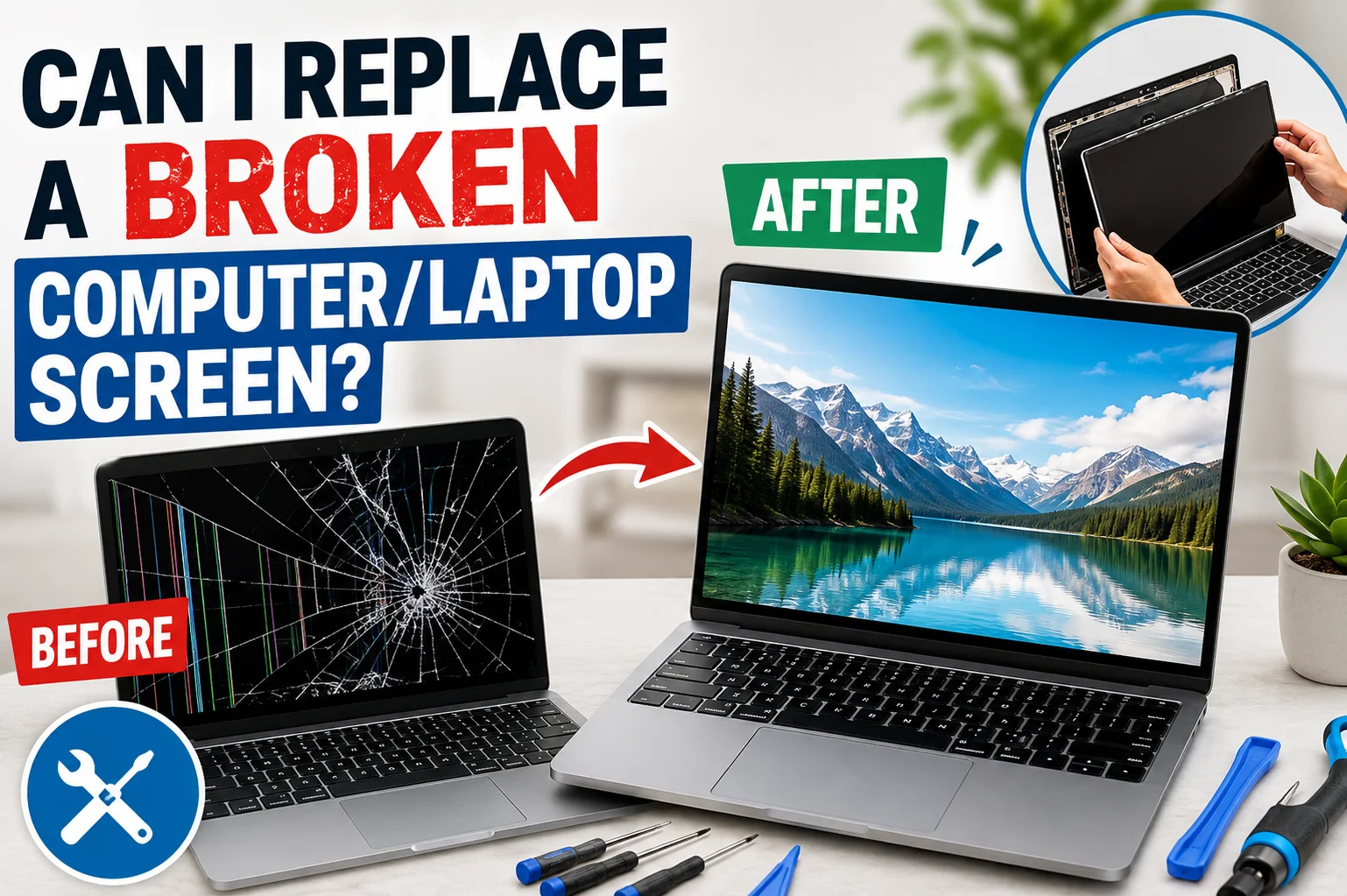
- Damaged screens can usually be replaced without replacing the entire device.
- Battery replacements remain possible for many modern phones and laptops.
Understanding what makes modern electronics hard to fix also helps explain why professional repair services have become increasingly specialised.
Can You Repair Modern Devices Yourself?
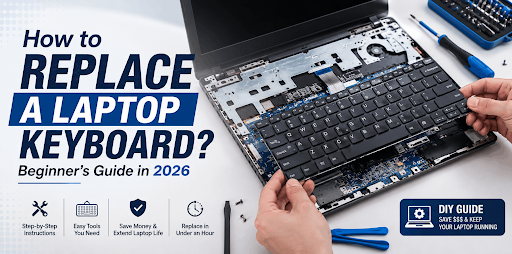
Some basic repairs are suitable for confident DIY users.
These may include:
- Replacing removable storage
- Installing compatible software
- Cleaning cooling fans
- Replacing accessible batteries in older laptops
However, more advanced repairs require professional tools and experience.
Avoid attempting DIY repairs involving:
- Motherboards
- Face ID or fingerprint sensors
- Liquid damage
- Charging circuits
- Soldered components
Incorrect repairs can permanently damage delicate circuits or lead to data loss. For complex internal faults, it’s usually safer to choose a professional laptop repair service with experience in modern hardware.
How Professional Repair Shops Overcome Modern Repair Challenges
Professional repair technicians use equipment designed specifically for today’s electronics.
Typical repair processes include:
- Advanced diagnostic testing
- Thermal imaging for board faults
- Precision microsoldering
- Professional adhesive removal tools
- Calibration after component replacement
- Comprehensive post-repair quality testing
When choosing a repair provider, look for technicians experienced in device repair rather than general electronics maintenance.
How to Make Your Device Easier and Cheaper to Repair
Although accidents cannot always be avoided, good maintenance significantly reduces repair costs.
Helpful tips include:
- Use a protective case and screen protector.
- Avoid exposing devices to liquids.
- Replace worn batteries before they swell.
- Keep ventilation areas clean.
- Repair small issues before they become major failures.
- Back up important data regularly.
Early intervention often prevents more expensive motherboard or display repairs.
| Not sure whether your device can be repaired? Our experienced technicians are here to help. Get in touch today for a professional assessment and honest repair advice. Contact Us |
Conclusion
Understanding why modern devices are harder to repair helps you make smarter decisions when problems arise. While today’s electronics are more complex than ever, many faults can still be repaired by experienced technicians using specialised tools. Choosing professional repairs when appropriate can extend your device’s lifespan, reduce electronic waste, and often save you the cost of buying a replacement.
Frequently Asked Questions
Why are modern phones harder to repair?
Modern phones use adhesive, compact layouts, soldered components, and waterproof seals. These features improve durability and performance but increase repair complexity.
Why are laptop parts soldered to the motherboard?
Manufacturers solder RAM, storage, and processors to reduce thickness, improve efficiency, and enhance performance, although this limits upgrades and repairs.
Are waterproof devices more difficult to repair?
Yes. Waterproof seals and adhesives require careful removal and replacement to maintain protection after repairs.
Can modern devices still be repaired?
Yes. Many hardware problems can still be repaired using specialised diagnostic equipment, professional tools, and experienced technicians.
Is repairing a device better than replacing it?
In many cases, yes. Repairing extends device lifespan, reduces electronic waste, and is often significantly less expensive than purchasing a replacement.