
Unexpected computer crashes can interrupt work, gaming, school tasks, and business operations without warning. That is why many technicians and IT professionals are now turning to predictive hardware failure systems to identify problems before devices completely stop working.
As AI technology improves, both businesses and everyday users are turning to smarter diagnostics to reduce downtime, protect data, and extend device lifespan. According to Gartner, predictive maintenance technologies can reduce unplanned downtime by up to 30% and lower maintenance costs by nearly 25% in some industries.
These numbers highlight why AI-driven diagnostics are becoming increasingly important for both businesses and personal computer users.
What is Predictive Hardware Failure?
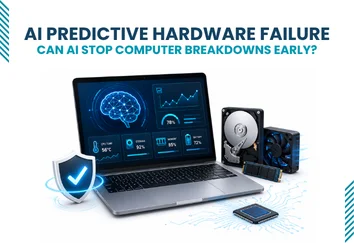
Predictive hardware failure refers to the process of using software, sensors, historical data, and machine learning to identify signs that hardware components may fail soon.
Instead of reacting after damage occurs, AI systems analyze device behavior in real time to spot warning patterns.
These systems typically monitor:
- CPU temperature
- SSD and hard drive health
- Fan performance
- Battery condition
- RAM errors
- Power supply fluctuations
- System crashes and blue screens
- Unusual noise or overheating
When abnormal patterns appear, the software can warn users before the hardware becomes unusable.
For example, if a hard drive begins showing repeated read/write errors or unusually slow response times, AI software may flag it as a possible upcoming failure.
How AI Detects Hardware Problems Early
Artificial intelligence works by analyzing large amounts of data faster than humans can.
Traditional diagnostics often depend on visible symptoms after a problem becomes serious. AI systems, however, continuously monitor subtle behavioral changes that humans may overlook.
Here is how the process usually works:
| AI Monitoring Step | What It Does |
| Data Collection | Gathers hardware performance data from sensors |
| Pattern Analysis | Detects unusual behavior compared to normal usage |
| Risk Prediction | Estimates the likelihood of future hardware failure |
| Alerts & Recommendations | Warns users before damage becomes severe |
Modern monitoring software can even compare performance trends over time. If a laptop battery suddenly begins draining faster than normal or system temperatures increase consistently over several weeks, AI can identify those changes as potential warning signs.
This is one reason why many businesses now invest in AI hardware diagnostics to reduce downtime and avoid expensive equipment replacement.
Common Hardware Problems AI Can Predict
AI-based monitoring tools are becoming more advanced every year. While they cannot predict every issue perfectly, they can identify many common hardware risks.
Hard Drive and SSD Failure
Storage devices are one of the most common components to fail unexpectedly.
AI systems analyze SMART data, read/write speeds, and error rates to identify failing drives before data loss occurs.
Signs may include:
- Slow file access
- Corrupted files
- Clicking noises
- Frequent freezing
- Boot failures
| Need Hard Drive Repair Services? If your computer shows slow boot times, clicking sounds, or file access issues, early hard drive diagnostics can help prevent serious data loss. Schedule a Hard Drive Inspection |
CPU Overheating
Consistently high temperatures can shorten a processor’s lifespan.
AI monitoring software can detect abnormal temperature spikes caused by:
- Dust buildup
- Poor airflow
- Failing cooling fans
- Thermal paste deterioration
- Overclocking stress
If your computer frequently overheats, shuts down unexpectedly, or runs louder than normal, early CPU diagnostics can help prevent serious hardware damage.
Battery Degradation
Laptop batteries naturally wear down over time.
AI can analyze charging cycles, discharge behavior, and battery health trends to estimate when replacement may be needed.
RAM and System Instability
Frequent crashes, random restarts, and application freezes may indicate memory-related problems.
Some AI systems can identify recurring patterns of instability and help technicians isolate faulty RAM modules.
Why Predictive Monitoring Matters for Businesses
For businesses, hardware failure often means more than inconvenience.
Unexpected downtime can impact:
- Customer service
- Employee productivity
- Financial transactions
- Security systems
- Cloud access
- Business continuity
Smaller businesses in cities like Las Vegas are also beginning to adopt these tools because even short interruptions can significantly affect operations.
Can AI Predict Every Hardware Failure?
Although AI tools are becoming smarter, no system can guarantee 100% accuracy.
Hardware failures can still happen suddenly due to:
- Physical damage
- Liquid spills
- Power surges
- Manufacturing defects
- Accidental drops
- Extreme heat exposure
AI predictions are based on patterns and probabilities, not certainty.
However, these systems are still extremely useful because they can provide early warnings in many situations where traditional diagnostics might miss the problem.
That is especially valuable for people who rely heavily on their computers for work, gaming, remote meetings, or content creation.
Warning Signs of Hardware Failure You Should Never Ignore
Even with AI monitoring tools, users should still pay attention to physical and performance-related warning signs.
Common indicators include:
- Loud fan noise
- Sluggish system performance
- Frequent freezing
- Random shutdowns
- Battery swelling
- Overheating during simple tasks
- Blue screen errors
- Strange clicking sounds from storage drives
If you notice these symptoms, it may be time to schedule professional diagnostics.
| Need Help Diagnosing Hardware Issues? If your device is overheating, slowing down, or showing unusual behavior, professional diagnostics can help identify problems early. Book a Device Inspection |
How Machine Learning Improves Computer Maintenance
Machine learning allows systems to improve over time by analyzing more data.
For example, enterprise-level monitoring platforms can study millions of hardware events across different devices. Over time, these systems become better at recognizing patterns associated with failure.
This ability to predict computer failure gives technicians more time to replace damaged parts, back up data, and prevent complete system breakdowns.
Many modern operating systems and manufacturers already include basic predictive tools. Windows Event Viewer, SMART monitoring, and built-in battery analytics are simple examples of early monitoring technologies.
More advanced AI-powered software takes this further by combining:
- Real-time analytics
- Temperature tracking
- Usage history
- Failure databases
- Automated alerts

Top Benefits of AI-Powered Predictive Hardware Monitoring
Using predictive monitoring tools offers several practical benefits.
Reduced Repair Costs
Identifying problems early often prevents secondary damage.
For example, detecting overheating quickly may prevent motherboard or CPU damage.
Better Data Protection
Storage failure prediction helps users back up important files before drives stop working.
Longer Device Lifespan
Preventive maintenance can help devices run more efficiently over time.
Improved Performance
Monitoring tools can detect hidden issues that slow down computers gradually.
Less Downtime
Businesses and remote workers benefit from fewer unexpected interruptions.
Practical Ways to Prevent Hardware Failure
AI monitoring tools are helpful, but users should still follow good maintenance habits.
Here are several effective ways to prevent computer hardware failure:
- Keep devices clean and dust-free
- Avoid blocking ventilation areas
- Use surge protectors
- Install system updates regularly
- Monitor CPU and GPU temperatures
- Back up important files frequently
- Replace aging batteries before swelling occurs
- Schedule routine diagnostics
Preventive care combined with AI monitoring creates a much stronger protection strategy.
The Future of Predictive Hardware Failure
As AI technology evolves, predictive systems will likely become even more accurate and accessible.
Future developments may include:
- Real-time motherboard diagnostics
- Automatic repair recommendations
- Cloud-based hardware monitoring
- AI-powered repair automation
- Smarter consumer-level diagnostic software
Large manufacturers are already investing heavily in predictive maintenance technology for servers, laptops, and enterprise systems.
As these tools improve, everyday consumers may soon benefit from the same advanced monitoring previously limited to large companies.
Final Thoughts
AI is changing how computers are maintained by helping users detect problems before major failures happen. While no system is perfect, predictive monitoring can reduce downtime, protect important data, and improve device lifespan. Combined with professional diagnostics and regular maintenance, AI-powered monitoring offers a smarter approach to keeping computers reliable and efficient.
| Need Professional Diagnostics? If your computer is overheating, freezing, or slowing down unexpectedly, professional diagnostics can identify the issue early and help prevent costly repairs later. Schedule a Diagnostic Check |
Frequently Asked Questions
1. Can AI predict hardware failure accurately?
AI can identify failure patterns early, but it cannot guarantee every hardware issue will be detected in advance.
2. What hardware problems can AI detect?
AI commonly detects overheating, storage failure, battery degradation, cooling issues, and abnormal system performance patterns.
3. Is predictive hardware failure useful for home users?
Yes. Early monitoring helps prevent data loss, sudden crashes, and expensive repairs for personal computers and laptops.
4. How does AI detect failing hard drives?
AI analyzes SMART data, read errors, speed changes, and unusual drive behavior to identify possible storage failure.
5. Can AI stop computer crashes completely?
No. AI reduces risks and provides warnings, but physical damage and sudden failures can still happen.