
Technology has become part of almost every aspect of daily life, from communication and work to entertainment and home management. When an electronic item stops working properly, many people immediately wonder whether paying for device repair is still worthwhile or if replacing the device makes more sense.
The right decision depends on repair costs, device age, performance, hardware condition, software support, and future reliability. Understanding these factors can help you avoid unnecessary expenses while extending the usable life of valuable electronics.
Is It Worth Repairing a Device or Replacing It Instead?
One of the most common questions consumers ask is whether repairing a damaged device is more cost-effective than buying a new one. In many situations, the answer depends on the relationship between repair costs and replacement value.
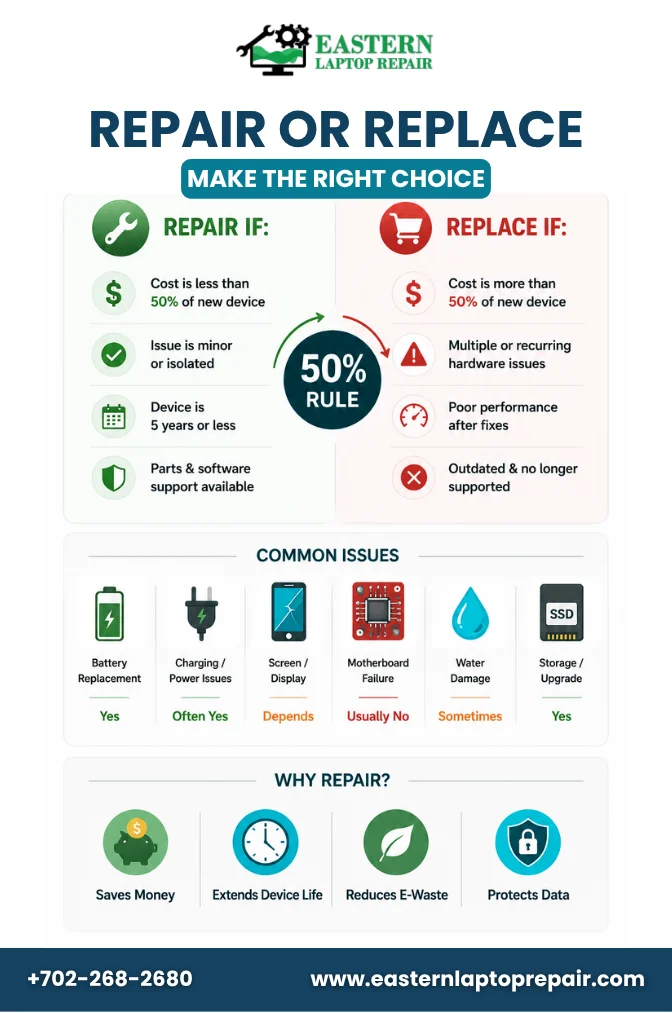
A practical rule used across the repair industry is the “50% rule.” If the repair cost exceeds half the value of a replacement device, replacing it may provide better long-term value.
However, price alone should not decide everything. Premium electronics, gaming systems, tablets, smart home devices, and office equipment may still offer years of reliable use after a minor repair.
| Device Issue | Usually Worth Repairing? | Reason |
| Battery replacement | Yes | Low cost and improves lifespan |
| Charging or power issues | Often yes | Common and repairable |
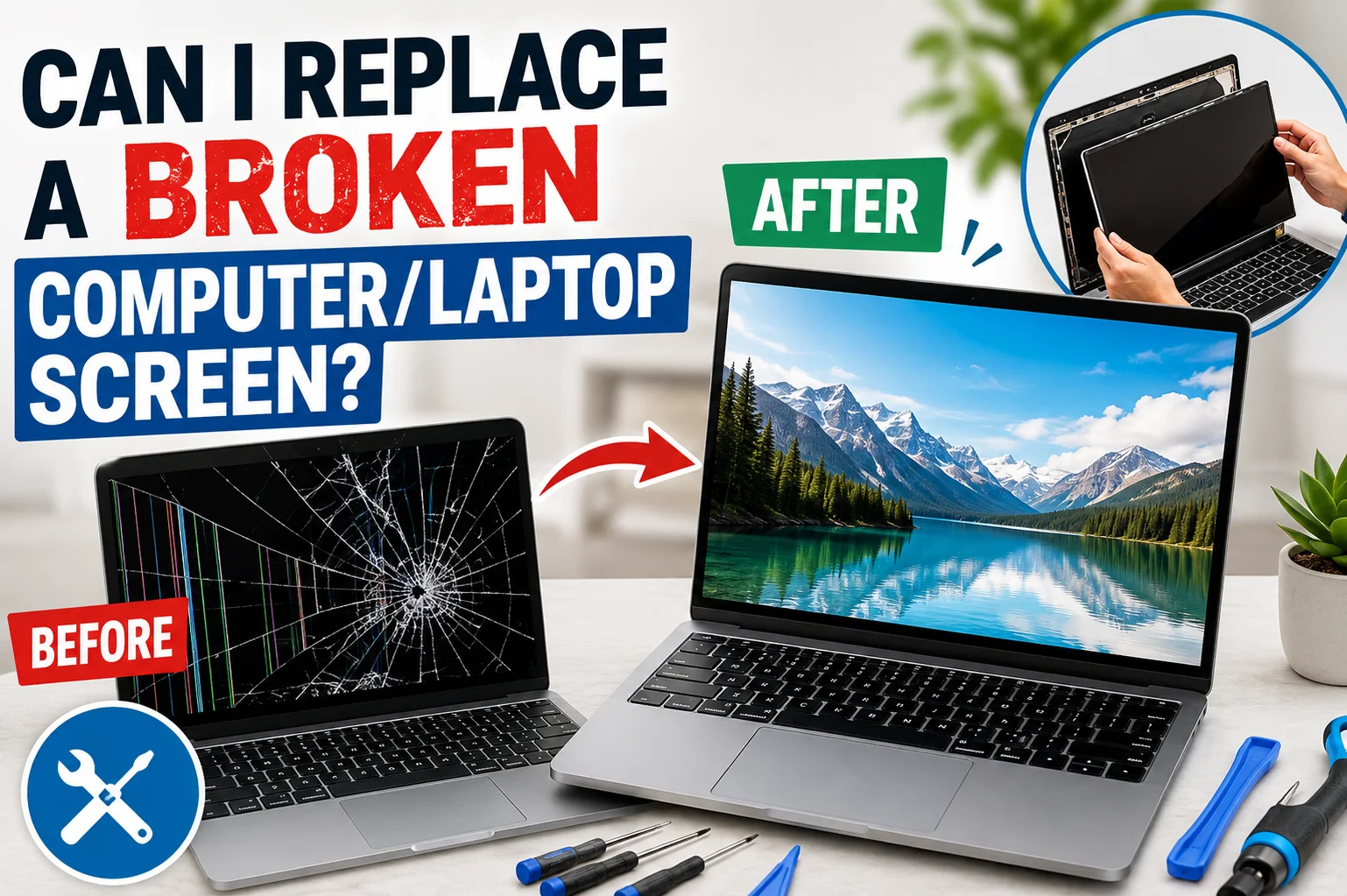
| Broken display or screen | Depends | Cost varies by device type |
| Motherboard failure | Usually no | Expensive and complex |
| Water damage | Sometimes | Internal corrosion risk |
| Storage or memory upgrade | Yes | Improves performance affordably |
According to Statista, global consumer electronics revenue continues to increase yearly, making repair decisions more important for households trying to control technology spending.
| Need Professional Advice Before Spending on Repairs? A proper diagnosis can reveal whether the issue is minor, repairable, or part of a larger hardware failure. Book a Device Inspection |
How to Know if a Device Is Beyond Repair
Not every damaged electronic item can be restored reliably. Some devices continue developing problems even after repairs because the underlying hardware is already deteriorating.
Common warning signs include:
- Frequent overheating
- Repeated crashes or shutdowns
- Multiple failing components
- Poor battery performance
- Slow system response
- Unsupported operating systems
- Unusual noises from internal hardware
Consumers trying to repair or replace laptop systems often face this issue when older hardware no longer supports modern software efficiently. The same principle applies to tablets, gaming consoles, printers, smart TVs, and other electronics.
Security also matters. Devices that no longer receive software updates may become vulnerable to cybersecurity risks and compatibility problems.
What Factors Increase the Real Cost of Device Repairs?
The total cost of device repair often involves more than replacing a broken part. Many users underestimate labor, diagnostics, and future maintenance expenses.
Common Factors That Affect Repair Pricing
- Device complexity
- Availability of replacement parts
- Labor requirements
- Data recovery needs
- Warranty coverage
- Internal hardware damage
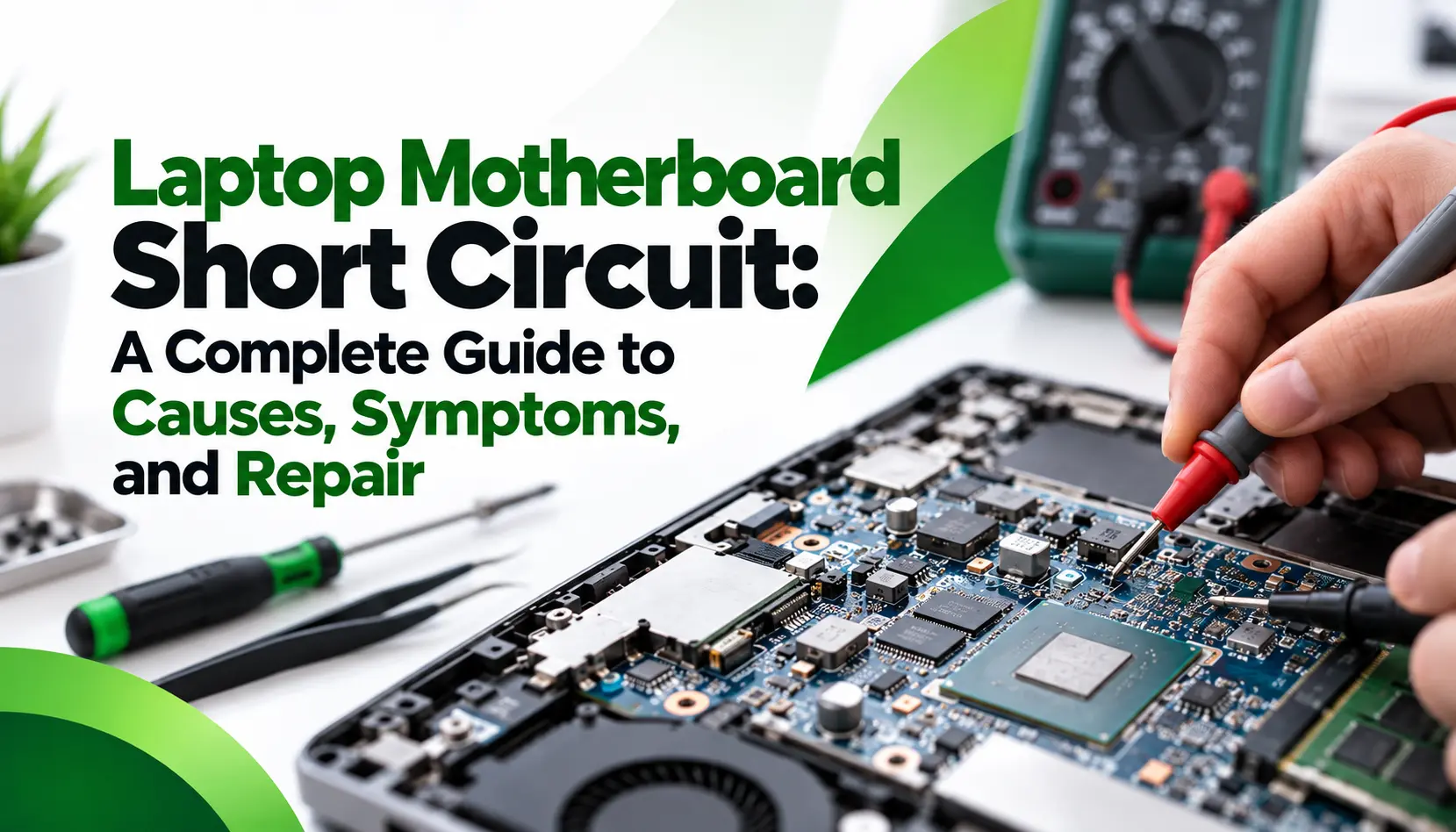
For example, replacing a damaged battery may be inexpensive, while repairing internal board-level damage can require specialized equipment and technical expertise.
Before approving repairs, ask these questions:
- Are the replacement parts original or aftermarket?
- Is there a repair warranty?
- Will the repair improve long-term reliability?
- Could the issue return soon?
- Is the device still software-supported?
These questions help consumers make smarter financial decisions rather than choosing short-term fixes that create recurring expenses later.
Is Repairing Electronics Cheaper Than Replacing Them?
In many cases, yes. Smaller repairs and hardware upgrades can extend the lifespan of electronics significantly without the cost of full replacement.
This growing demand for electronic device repair services is closely connected to rising electronics prices and sustainability concerns.
Repairs are often worthwhile for:
- Battery degradation
- Charging failures
- Cooling fan problems
- Power supply issues
- Storage upgrades
- Internal cleaning and maintenance
According to the United Nations Global E-Waste Monitor, electronic waste surpassed 62 million metric tons globally, making repair and reuse increasingly important for reducing environmental impact.
Consumers are also becoming more conscious about extending device lifespan instead of replacing electronics prematurely.
| Want to Extend the Life of Your Electronics? Routine maintenance and diagnostics can help identify problems early before they become expensive repairs. Call Us for Free Diagnosis! |
What Performance Problems Suggest Replacement Is the Better Option?
Sometimes a device still functions technically, but no longer performs efficiently enough for modern use. Performance issues can affect productivity, security, and overall reliability.
| Performance Problem | Possible Cause |
| Constant freezing | Aging processor or memory issues |
| Slow startup | Failing storage drive |
| Random shutdowns | Power or motherboard problems |
| Excessive heat | Cooling system failure |
| App or software crashes | Unsupported hardware or software |
If these issues continue after maintenance or upgrades, replacement may provide better long-term value than repeated device repair attempts.

How Can You Make a Smarter Repair Decision?
The best repair decisions balance cost, reliability, future usability, and overall device condition instead of focusing only on immediate expenses.
Before approving device repair, consider:
- The age of the device
- Current performance quality
- Frequency of previous issues
- Availability of replacement parts
- Security and software support
- Estimated remaining lifespan
Devices with isolated problems often remain worth repairing. Devices with recurring hardware failures may continue creating additional costs even after repairs are completed.
| Need Help Choosing Between Repair and Replacement? An experienced technician can evaluate hardware condition, performance limitations, and repair viability before you spend money unnecessarily. Contact Our Repair Specialists |
Final Thoughts
Choosing between replacement and device repair requires evaluating cost, reliability, performance, and long-term usability together. Some devices can continue working efficiently for years after repairs, while others become recurring expenses.
A professional assessment, realistic cost comparison, and understanding of overall device condition can help you make a smarter and more financially practical decision.
FAQs
1. How do I know if my device is worth repairing?
If the repair cost is reasonable and the device still performs reliably overall, repairing it is often worthwhile.
2. What devices are usually worth repairing?
Devices with isolated issues like battery failure, charging problems, or replaceable hardware components are often repairable.
3. Is repairing electronics better for the environment?
Yes. Repairing electronics helps reduce electronic waste and extends the lifespan of existing devices.
4. When should a device be replaced instead of repaired?
Replacement is usually better when repair costs are very high, hardware failures are recurring, or software support has ended.
5. Can diagnostics help before deciding on repairs?
Yes. Professional diagnostics help identify the root cause of problems and estimate whether repairs are financially practical.